São Paulo Hyperlocal Intelligence
Decision intelligence for choosing where to work, stay, meet, hire and move around São Paulo before a foreign company locks in permanent infrastructure.
Filter assets
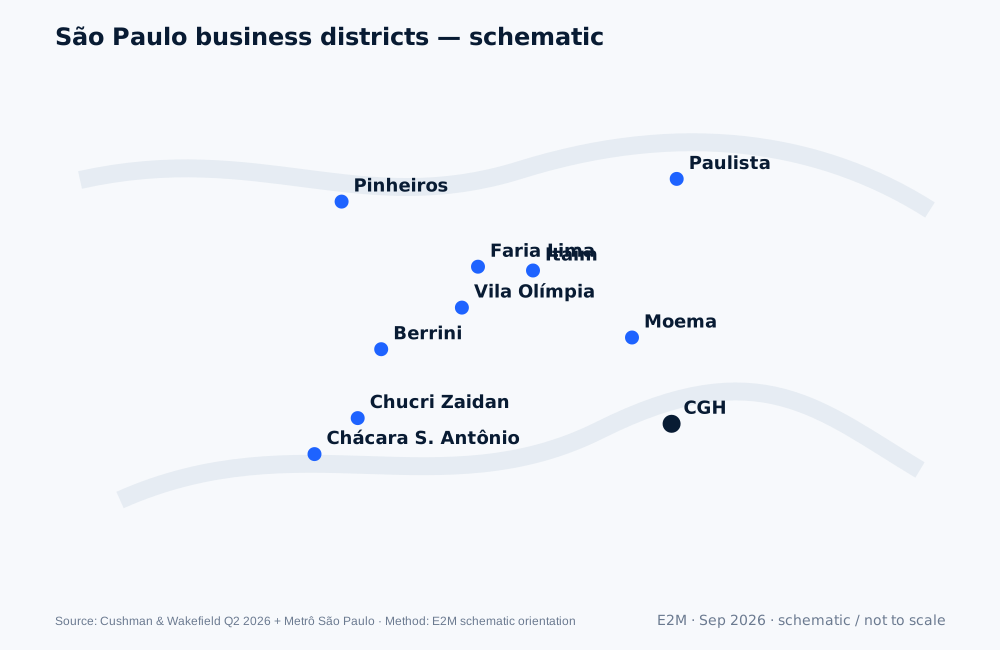
São Paulo Business Districts Map for Foreign Companies
A decision map of São Paulo’s main corporate corridors—what each one optimizes, what it costs, and which transport links matter before you shortlist an office.
Faria Lima & Itaim Bibi: When a Foreign Company Should Pay for the Premium
Choose the Faria Lima/Itaim ecosystem for dense access to finance, enterprise decision-makers and premium business infrastructure—not because it is automatically the “best” address.
Vila Olímpia for Foreign Companies: Office, Transit and Flexibility Lens
Vila Olímpia can combine corporate inventory, flexible-workspace density and Line 9 access, but 2026 office-market movement makes building-level selection more important than the neighborhood label.
Berrini & Brooklin: Corporate Access Without Faria Lima Pricing
Berrini/Brooklin is a pragmatic corporate corridor when a company values enterprise infrastructure, hotels, events and south/west access more than Faria Lima prestige.
Chucri Zaidan & Chácara Santo Antônio: Value, New Supply and South-Corridor Access
This south-corridor cluster matters when a foreign company needs modern corporate inventory, access to Santo Amaro/Marginal Pinheiros and a lower asking-rent base than premium Faria Lima.
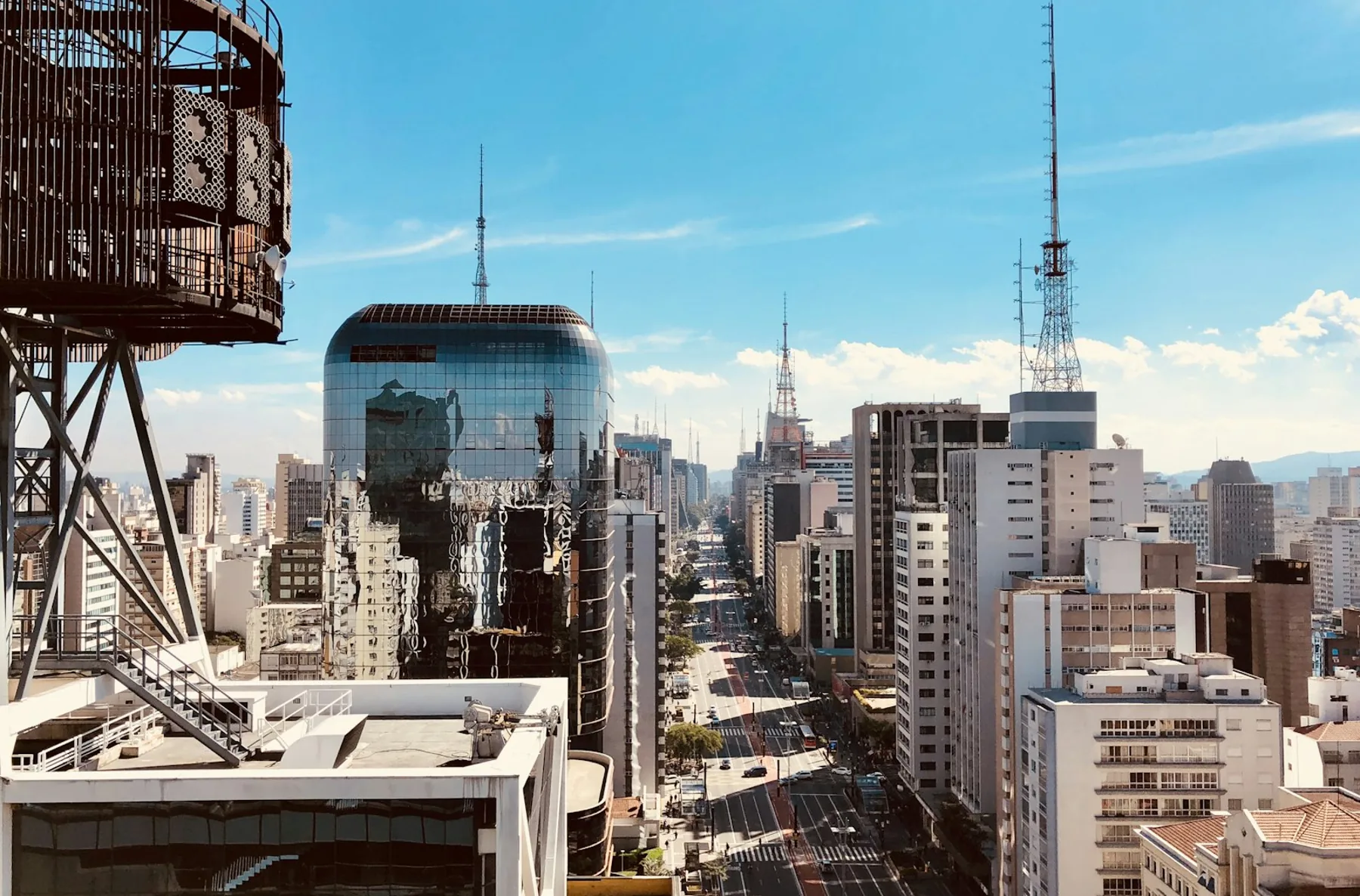
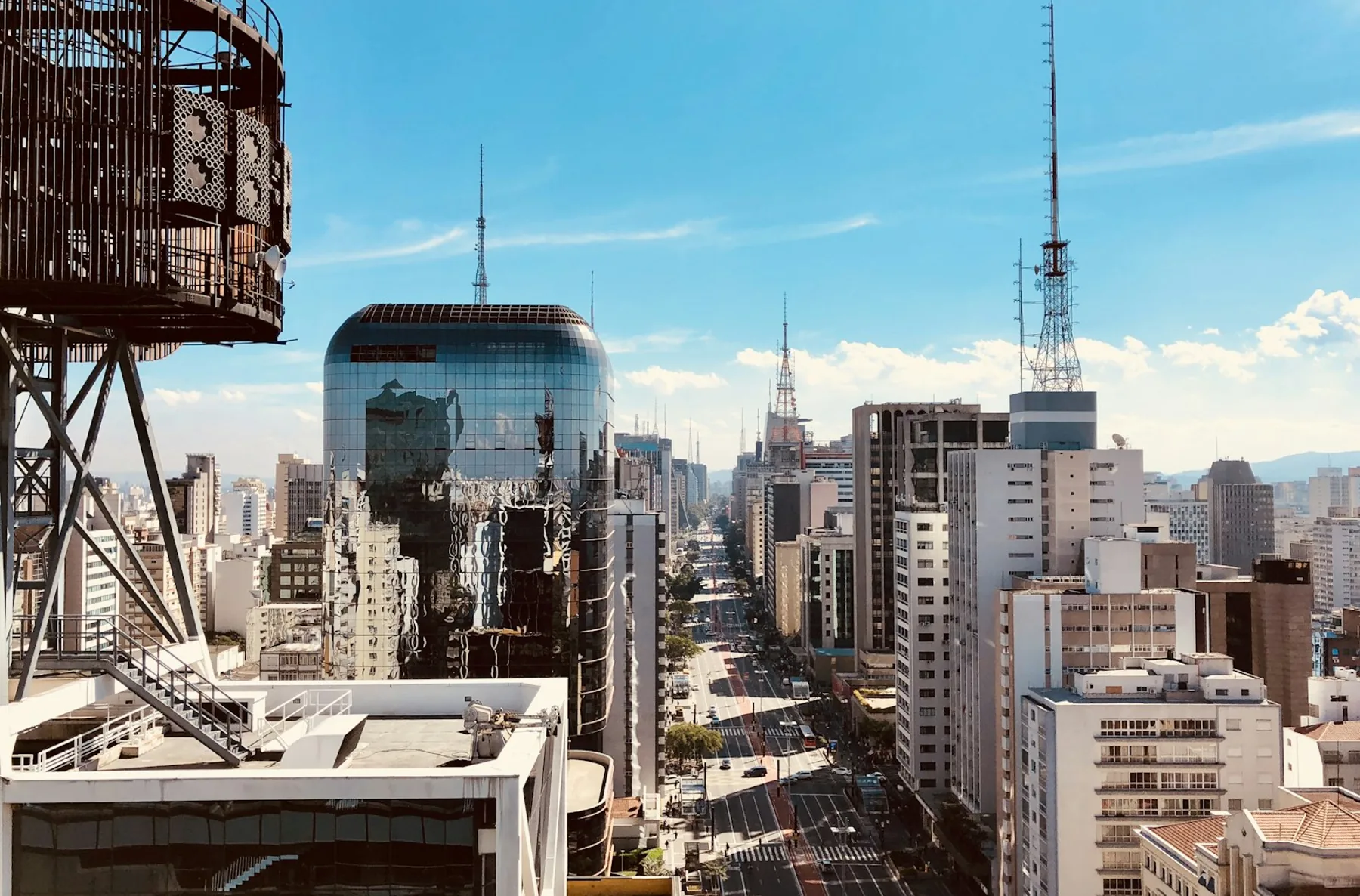
Paulista & Jardins: Centrality, Transit and Executive Convenience
Paulista/Jardins is a centrality play: strong transit, hotels, services and recognizable business address, especially when the company’s client geography is dispersed across the city.
Pinheiros & Rebouças: Talent, Transit and High-Demand Office Micro-Market
Pinheiros/Rebouças works when talent access, west-side connectivity and a less formal business environment matter—but tight supply can erase the assumed cost advantage.
Moema & Congonhas: Executive Logistics Before Corporate Prestige
Moema/Congonhas is not a default corporate-office answer; it is a logistics answer when domestic flying, short executive stays and airport access dominate the operating week.
GRU vs Congonhas vs Viracopos: Which Airport Should Shape Your São Paulo Base?
Do not choose an office because an airport looks close on a map. Choose based on actual international/domestic travel mix, arrival time, onward meetings and the executive’s recurring weekly pattern.
São Paulo Commute & Transit for a Foreign Company’s First Team
Treat commute as an operating constraint. A cheaper office can become expensive if it narrows the talent pool, increases lateness risk or forces car-dependent routines for every meeting.
Use Client Geography to Choose a São Paulo Office
Before comparing rents, plot the first 20–50 accounts, likely meeting frequency and who travels to whom. The right office minimizes high-value travel friction, not kilometers.
São Paulo Talent Geography: Where Office Location Helps or Hurts Hiring
Talent is not uniformly distributed and employees do not evaluate commute abstractly. Build the office brief around the roles you must hire, likely residential catchment and transit optionality.
Where Should a Foreign Executive Stay During the First 30 Days in São Paulo?
The first month is an operating experiment. Choose temporary housing based on the executive’s meeting map, office-search zones and airport pattern—not lifestyle reputation alone.
Where to Hold Client Meetings in São Paulo: Geography Before Venue
Meeting quality is partly logistics. Pick the district before the room: minimize cross-city movement for the customer, ensure reliable arrival and match the venue format to the meeting objective.
A 48-Hour São Paulo Location Due-Diligence Route for Foreign Executives
A two-day visit should produce evidence, not impressions. Use a fixed route to compare districts at the same hours, inspect building operations and test the real journeys between airport, housing, office and clients.
São Paulo operating map