E2M RESEARCH · 雇主成本 · 2026

2026 巴西雇主成本基准

在巴西,员工的真实雇主成本比税前工资高多少?

更新:2026年9月23日CLT 规划基准官方规则与 E2M 假设分开计算器 + 开放数据
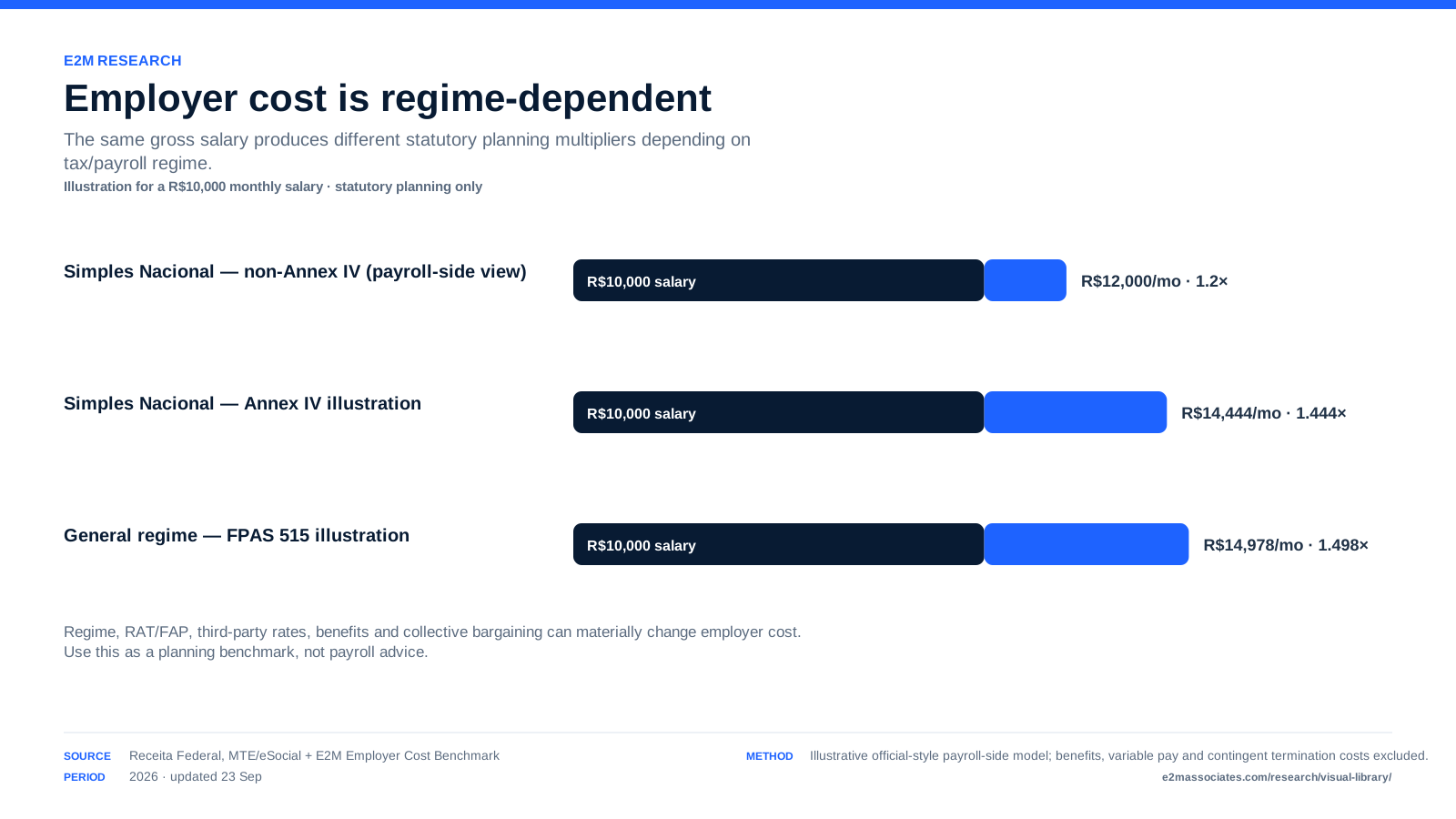
一般税制示例1.50×before benefits · FPAS 515 / RAT 1 / FAP 1.0
Simples Annex IV illustration1.44×before benefits · RAT 2 / FAP 1.0
Simples non-IV1.20×payroll-side view · DAS excluded
Open modelJSON + CSVformula and assumptions inspectable
直接答案

R$10,000 的月薪并不等于 R$10,000 的雇主成本。

对于全年标准 CLT 员工,预算还需要计入第13薪、法定休假 1/3 加成、FGTS,以及适用于该公司的雇主端工资税费。以一般税制、FPAS 515、CPP 20%、RAT 1%、FAP 1.0、第三方缴费 5.8% 为例,持续性法定雇主成本约相当于每月 R$14,978,即税前工资的约 1.50 倍,尚未计入福利、浮动薪酬和或有解雇成本。

Critical modeling rule: the paid vacation month is already one of the 12个月工资. The incremental annual vacation cash item is the constitutional 1/3. Counting another full salary for vacation overstates the recurring annual payroll budget.
柱状图比较巴西不同税务和薪资制度下的法定雇主成本示例。
Brazil Employer Cost — Regime Illustrations
Source: Receita Federal, MTE/eSocial + E2M benchmark · Period: 2026 · updated 23 Sep · Method: R$10k salary illustration; regime-specific statutory planning factors, not universal payroll multipliers.
法定成本结构

三个实用的规划模型

以下为透明的法定成本示例,并非所有企业通用的税率。福利暂不计入,以便清晰展示工资成本结构。

Simples — 非 Annex IV(工资侧)1.20×

20.0% above 12 salary months before benefits.

  • CPP payroll line: 0% in model
  • FGTS: 8%
  • DAS revenue taxes excluded

CPP is generally embedded in DAS for non-Annex-IV activities. This is a payroll-side benchmark only; DAS taxes on revenue are outside the calculator.

Simples — Annex IV 示例1.44×

44.4% above 12 salary months before benefits.

  • CPP: 20%
  • RAT: 2% illustration
  • Third parties: 0% in cited example
  • FGTS: 8%

Illustrative official-style setup using CPP 20% + RAT 2%; actual RAT/FAP depend on activity/establishment.

一般税制 — FPAS 515 示例1.50×

49.8% above 12 salary months before benefits.

  • CPP: 20%
  • RAT: 1% × FAP 1.0
  • Third parties: 5.8% illustration
  • FGTS: 8%

Illustrative commerce/services FPAS 515. Third-party rate and RAT/FAP vary by activity and establishment.

所有倍数均假设员工全年在职,并按模型中的计费薪酬计算。实际工资税适用范围和企业分类必须另行确认。

交互式模型

雇主成本计算器

输入月薪、税制、RAT/FAP、第三方缴费率和月度福利。模型将法定义务与商业假设分开。

平均月度雇主成本
—
年度雇主成本—
倍数—
高于12个月工资—
年度成本明细
本工具用于规划,不构成薪资或税务建议。集体协议、员工个人情况、特殊税务规则和企业税费都可能改变结果。
成本结构

工资之上的成本层

正确模型应分别展示年度薪酬、工资税费、商业福利和或有成本,而不是用一个无法解释的百分比覆盖所有成本。

Component如何理解成本层
12个月工资Base annual cash compensationStatutory cash
第13薪One additional salary for a full yearStatutory cash
休假 1/3 加成Incremental constitutional premium; do not double-count the vacation monthStatutory cash
雇主 CPPGeneral rule 20%; tax-regime treatment variesPayroll charge
RAT × FAPRAT 1–3%; FAP 0.5–2.0Payroll charge
第三方缴费FPAS-dependent; 5.8% only as FPAS 515 examplePayroll charge
FGTSGenerally 8%Payroll charge
福利Company/CBA/specific-rule dependentCommercial / CBA
Termination / noticeContingent, not fixed monthly payrollContingent
透明计算

示例:月薪 R$10,000

一般税制示例:FPAS 515、RAT 1%、FAP 1.0、不含福利。与计算器使用相同公式。

年度项目BRL
12个月工资R$120.000
第13薪R$10.000
休假 1/3 加成R$3.333
CPP — 20%R$26.667
RAT — 1% × FAP 1.0R$1.333
Third parties — 5.8%R$7.733
FGTS — 8%R$10.667
Total statutory annual costR$179.733
Average monthly equivalentR$14.978

This example excludes benefits, variable compensation, recruiting, equipment, EOR/payroll vendor fees and termination contingencies.

第二层成本

福利和离职成本属于第二层

餐食、医疗、交通、人寿保险等福利可能来自公司政策、集体协议或特定法规。解雇罚金、通知期和休假替岗属于或有或运营成本,不是固定的持续工资税率。

01 · CBA / policy

福利 are not one universal percentage

Meal/food, health, life insurance, childcare, home-office support and other items can be shaped by collective bargaining or company policy. Use live quotes and the applicable CBA.

02 · Transport

Vale-transporte has a statutory framework

Where applicable, the employee participation is capped at 6% of base salary and the employer covers the qualifying excess. The exact cost depends on the commute.

03 · Contingency

Termination is event-driven

FGTS termination fine, notice and related items depend on how and when employment ends. Keep them as a separate reserve, not as a fake universal monthly tax.

04 · Operations

Vacation can create replacement cost

The vacation month is not another salary, but some operations need temporary coverage. That is an operational capacity cost, separate from statutory payroll.

05 · Variable pay

Sales compensation needs its own layer

Commission and bonus design can materially change employer cost and payroll incidence. Model it from the role plan rather than hiding it inside a generic percentage.

06 · Simples

Payroll-side cost is not total company tax

For non-Annex-IV Simples activity, CPP can sit inside DAS. A low payroll-side multiplier therefore does not mean the business has no social-security cost.
公开方法

方法

本基准首先使用官方劳动与工资规则,再明确标注情景假设,并避免重复计算休假月份工资。

1

Start with 12 salary months

Annual base salary already includes the paid vacation month.

2

Add statutory annual cash

Add one 第13薪 and the incremental 1/3 vacation premium for a full-year standard case.

3

Apply the company payroll regime

CPP, RAT/FAP and third-party rates depend on tax regime and activity classification.

4

Keep FGTS visible

Model FGTS separately instead of burying it inside an unexplained “burden” percentage.

5

Add benefits and contingencies last

Use company-specific benefits, CBA obligations and a deliberate risk reserve rather than invented universal averages.

证据登记

主要来源

法定比例和适用规则由巴西官方来源支持。E2M 的情景假设不会被描述为法律要求。

Tier A · officialReceita Federal — employer social security

20% CPP general rule + RAT 1–3%.

打开来源 ↗
Tier A · officialeSocial — FPAS / third-party rates

FPAS 515 example totals 5.8% for listed commerce/services activities.

打开来源 ↗
Tier A · officialMinistry of Labor — FGTS

Standard employer deposit generally 8%.

打开来源 ↗
Tier A · officialMinistry of Labor — worker rights

第13薪, vacation + 1/3 and vale-transporte framework.

打开来源 ↗
Tier A · officialReceita Federal — Simples Annex IV

Separates CPP treatment inside/outside DAS.

打开来源 ↗
Tier A · officialMinistry of Social Security — FAP

FAP range 0.5–2.0 applied to RAT.

打开来源 ↗

The downloadable JSON records source IDs, formulas, assumptions and exclusions. This benchmark is designed to be auditable rather than to imply a single universal Brazil cost factor.

把工资基准转化为真实的巴西雇佣预算。

Salary Benchmark 用于基本工资,本页用于全额雇佣成本,Brazil Expansion Passport 用于设计首批团队。

FAQ

常见问题

解释、范围与规划边界。

雇主成本总是工资的 1.50 倍吗?

不是。1.50 倍只是一般税制、FPAS 515、RAT 1%、FAP 1.0 且不含福利的示例。实际倍数取决于税制、活动分类、RAT/FAP、集体协议和福利。

为什么休假不再额外加一个整月工资?

因为带薪休假的那个月已经包含在全年 12 个月工资预算中。年度新增的现金项目是法定 1/3 休假加成。按适用规则,工资税费还可能对休假工资和 1/3 加成计征。

Simples Nacional 有什么不同?

对许多非 Annex IV 活动,CPP 包含在 DAS 中,而不是单独按工资缴纳。Annex IV 不同,CPP 在 DAS 之外缴纳。本基准将两者分开,也不会把按营业收入征收的 DAS 税费当作工资成本。

餐补和医疗保险是强制的吗?

不存在一个全国统一的固定福利包。福利可能来自集体协议、公司政策或特定法规。交通补贴有独立的法定框架。应核实适用的集体协议。

计算器包含解雇成本吗?

只有在你主动输入可选的或有成本准备金时才包含。解雇罚金、通知期等取决于具体离职事件,不应被视为统一的固定月度成本。

最新研究

Brazil First-Team Benchmark 2026

BENCHMARK

1 · 3 · 5 · 10 人首支团队模型

覆盖 SaaS、服务、工业和商业结构,包括招聘顺序、P50 薪资/成本规划与 make-vs-buy 决策。

打开基准 →
招聘研究

巴西员工福利 →